Self-harm and suicidal thoughts are often misunderstood issues that affect many individuals, particularly adolescents and children. As concerning behaviours, it is crucial for parents, caregivers, and educators to recognise the signs, understand their underlying motives, and be equipped to provide appropriate support. In this blog, we will examine what self-harm is, explore the reasons why children may engage in it, discuss the various forms it can take, and detail how to offer support to affected children. Additionally, we will highlight resources available to support young people.
Recent statistics indicate that one in five children between the ages of 8 and 25 experienced a mental health condition in 2023 (Young Minds, 2025). Notably, 32.8% of 17- to 24-year-olds have either attempted to self-harm or engaged in self-harming behaviours. According to Young Minds data, suicide was the leading cause of death among children aged 5 to 35 in 2022. Alarmingly, an average of five young people take their lives each day in the UK (Papyrus, 2025). These statistics emphasise the urgency of addressing self-harm and suicide among young people.

What is Self-Harm?
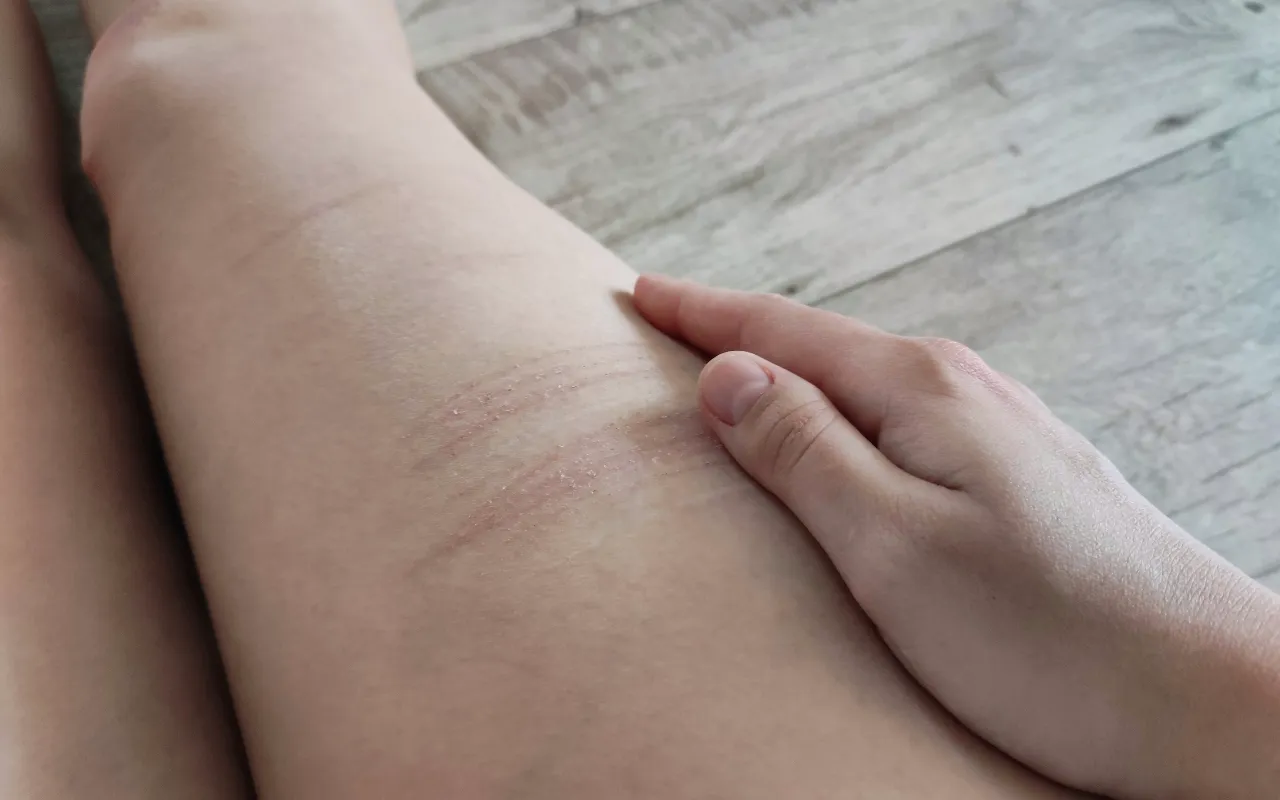
Self-harm is defined as the intentional act of causing physical harm to oneself to relieve feelings of distress (CAMHS, 2025). This behaviour can manifest in various forms, including cutting, burning, hitting, or otherwise injuring specific areas of the body. Importantly, self-harm is not always indicative of suicidal intent; rather, it often serves as a coping mechanism for dealing with emotional pain, distress, or overwhelming feelings.
According to the NHS, self-harm is a significant issue among young people in the UK, with an estimated 1 in 15 children engaging in self-harm by the age of 16 (NHS, 2021). The reasons behind self-harm can vary widely, and understanding these reasons is crucial for providing effective support.
Why Do Some Children Self-Harm?
Emotional Distress
Children may self-harm as a means of expressing or coping with deep emotional pain. They might feel sad, angry, or overwhelmed but struggle to articulate those feelings. This can lead to self-harming behaviour as a form of relief or release (CAMHS, 2025).
Feeling need to Control
For some children, self-harm provides a sense of control over their bodies when they feel powerless in other aspects of their lives. This behaviour may occur during periods of significant change, trauma, or stress, when the child feels that their environment is chaotic or unpredictable.
Peer Pressures
Peer influences, including bullying and social media pressures, can drive children toward self-harming behaviours. They may feel isolated or unheard, and self-harm might become a misguided attempt to fit in or release pent-up emotions.
Mental Health Issues
Many children who self-harm and suicidal thoughts also struggle with mental health conditions such as anxiety, depression, or eating disorders. For these children, self-harm may be a symptom linked to deeper mental health issues that require professional intervention.
Communication
Some children may view self-harm as a way to signal their distress to others. They might believe that physical pain is easier to display than emotional suffering or feel that by engaging in self-harm, they can prompt others to help them.
Different Types of Self-Harm
Self-harm can manifest in various forms, including:
1. Cutting
This is one of the most recognised forms of self-harm, involving the use of sharp objects to cut the skin. It typically occurs on areas of the body that can be easily concealed.
2. Burning
Some individuals engage in self-harm by burning their skin with cigarettes, matches, or other hot objects. This method can cause severe physical damage and scarring.
3. Hitting or Banging
Children may hit themselves against objects or bang their heads against walls as a maladaptive way of coping with emotional distress.
4. Hair Pulling (Trichotillomania)
This compulsive disorder involves individuals pulling out their hair, which can lead to noticeable hair loss and significant distress.
5. Interference with Wound Healing
Some may engage in self-harm practices that involve reopening healing wounds to prolong their state of self-harm.
6. Substance Abuse
While not always recognised as self-harm, the misuse of drugs or alcohol can be viewed as a harmful way to numb emotional pain.
Suicidal Thoughts
Discussing suicidal thoughts can be intimidating for parents and caregivers. However, it is essential to approach the topic with clarity and openness. Be calm when asking questions about suicide and engage in honest conversations about how the child is feeling. Active listening, without judgment, allows for a safe space where the child can express their thoughts and emotions (Papyrus, 2025).
Supporting a Child Who is Self-Harming or having suicidal thoughts
Be Open to Communication
Creating a safe environment for open communication is fundamental. Encourage children to express their feelings without fear of judgment. Listen actively and reassure them that it is okay to feel what they are experiencing.
Avoid Shaming
Children often harbour feelings of shame or guilt surrounding their self-harming behaviour. It is crucial to approach the situation without placing blame or judgment, which can help them feel safe in seeking your support.
Seek Professional Help
If a child is self-harming, it is vital to encourage them to seek professional help, reach out to the child’s G.P and school for support.
Educate
Providing information about self-harm is essential, not only for the child but also for family members, teachers, and friends. This understanding can create a supportive network. Self-harm can feel like an overwhelming wave that intensifies before it recedes, and recovery will require time and support (CAMHS, 2025; Young Minds, 2025).
Create a Self-Support Box
A self-support box is filled with items that can support a child when they are feeling anxious or upset. Consider putting games in the box, colouring books, affirmations statements, pen and paper, breathing exercises, safety plan. Ways to support the five senses:
1. Touch: Fidget toys, clay, stones, or pieces of soft material.
2. See: Photos of places that evoke feelings of safety and happiness, or images of loved ones and friends.
3. Hear: Music, clickers, small musical instruments to play, or audiobooks.
4. Smell: Hand creams, scratch-and-sniff stickers, perfumes, or scented candles.
5. Taste: Mints, chocolates, or hot/cold drinks.
Offer Non-Judgmental Support
Be there for the child throughout their healing journey. Monitor self-harming behaviour gently and offer support without conditions. Help them identify alternative coping mechanisms, such as creative outlets, sports, or mindfulness exercises.
Monitor Dangerous Items
If possible, removing objects that could be used for self-harm from the child’s environment is advisable. This is not about punishment but ensuring immediate safety.
Stay Patient
Recovery from self-harm is a process that may take considerable time. It is important to remain patient throughout the journey and understand that relapses may occur.

Conclusion
Self-harm is a complex behaviour that necessitates sensitivity and understanding. As we strive to support children who may be struggling, fostering open conversations and offering help with empathy is essential. By comprehending the reasons behind self-harm and being aware of the resources available for support, we can guide children toward healing and healthier emotional coping strategies.
By addressing this issue collectively, we can cultivate a supportive environment that enables young people to navigate their emotional challenges without resorting to self-harm.
Resources for Support
1. Child and Adolescent Mental Health Services (CAMHS) – These services offer assistance for mental health issues such as self-harm and depression. Referrals can be made through a GP or multi-agency team.
2. NHS 111 – For urgent medical advice, you can call NHS 111 for guidance and support.
3. Samaritans – While predominantly an adult service, children aged 16 and older can access support through Samaritans, available 24/7 via their helpline (116 123).
4. Mind – Mind is a mental health charity that offers advice and support to anyone experiencing a mental health problem, including resources related to self-harm.
5. Young Minds – This charity focuses on youth mental health in the UK and provides a wealth of resources for children and their parents.
6. The Mix – Tailored for individuals under 25, The Mix offers 24/7 support via phone, text, or chat addressing various issues, including self-harm.
7. Local Support Groups – Many local charities and organizations, including schools and community centres, offer support resources for children struggling with self-harm.
8. Shout textline at 85258 as well as HOPELINE247 at 0800 068 4141.
9. Childline – Children can reach out for support through their 1-2-1 chat service or by calling 0800 1111.
10. Suicide Safety Plan – Access resources for creating a suicide safety plan at Papyrus.


