
Depression in young people
Depression is a significant mental health concern among young people in the UK, affecting their emotional well-being, academic performance, and overall quality of life. Read on to find out what can be done to help.

What is ARFID? Understanding this eating difficulty
ARFID – Avoidant/Restrictive Food Intake Disorder is an eating disorder not driven by body image. It involves extreme food avoidance due to sensory sensitivities, fear, or trauma, causing serious nutritional, developmental, and emotional challenges.

Negative body image in young people
Negative body image is a growing concern for young people, influenced by social media, peer comparisons, and appearance ideals. This page explores its emotional and mental impact and offers practical ways parents, educators, and carers can help support healthier self-image.

Families in Crisis: How to Support Children and Parents
Family life can face challenges such as financial strain, illness, conflict, and breakdown, deeply affecting parents and children. Understanding these difficulties and offering support is crucial for building resilience, healthier dynamics, and overall family well-being.
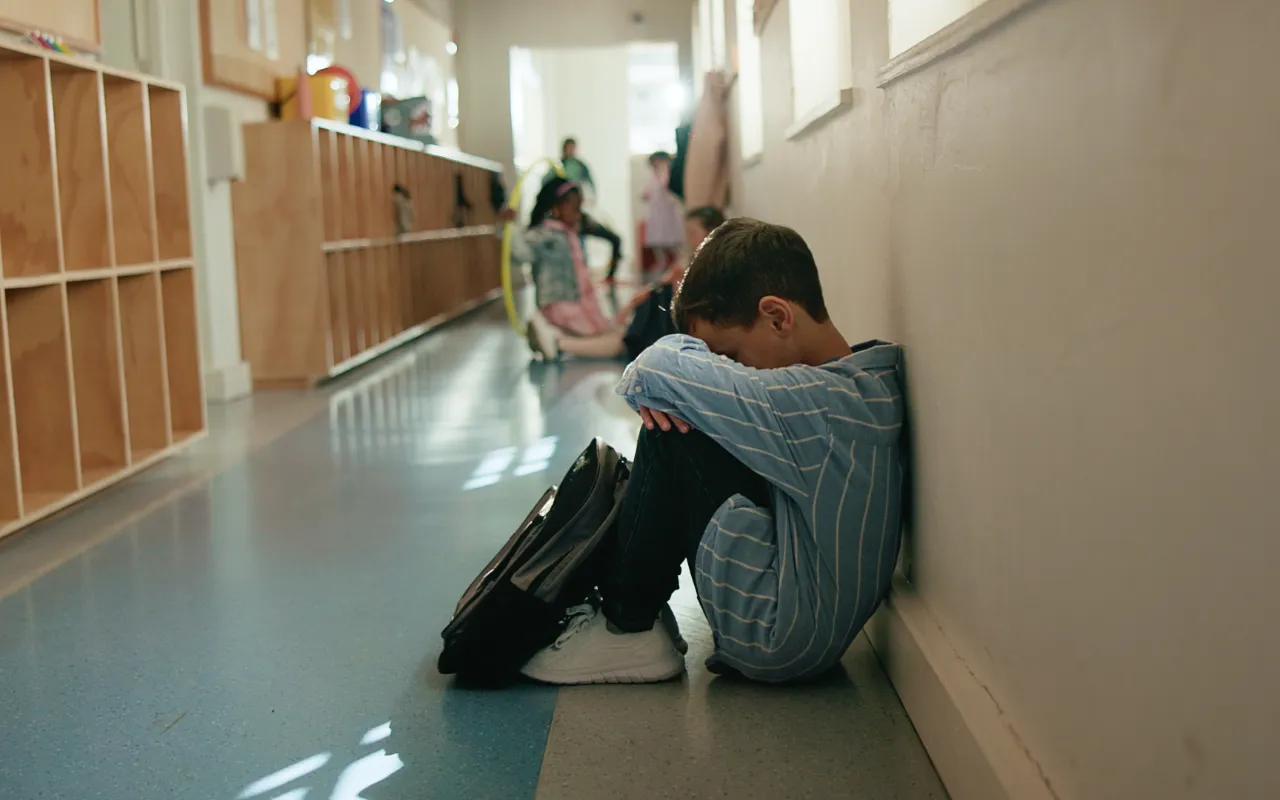
School Refusal: Supporting Children with Anxiety
School refusal is a challenge many families face, often caused by anxiety, bullying, or pressure. Recognising symptoms and providing the right support helps children manage their feelings, reduce stress, and rebuild a positive school experience.

Self-Harm and Suicidal Thoughts in Children
Self-harm and suicidal thoughts in children are often misunderstood issues. We examine the reasons of emotional distress, control, peer pressure, mental health and detail crucial support methods like open communication, professional help, and coping tools for healing.

The Invisible Scars: How Trauma Rewires the Child's Brain
Childhood trauma leaves lasting emotional and psychological scars that rewire the developing brain. Learn about these profound effects, how to recognize the signs in children, and the crucial steps for providing informed support and fostering resilience.