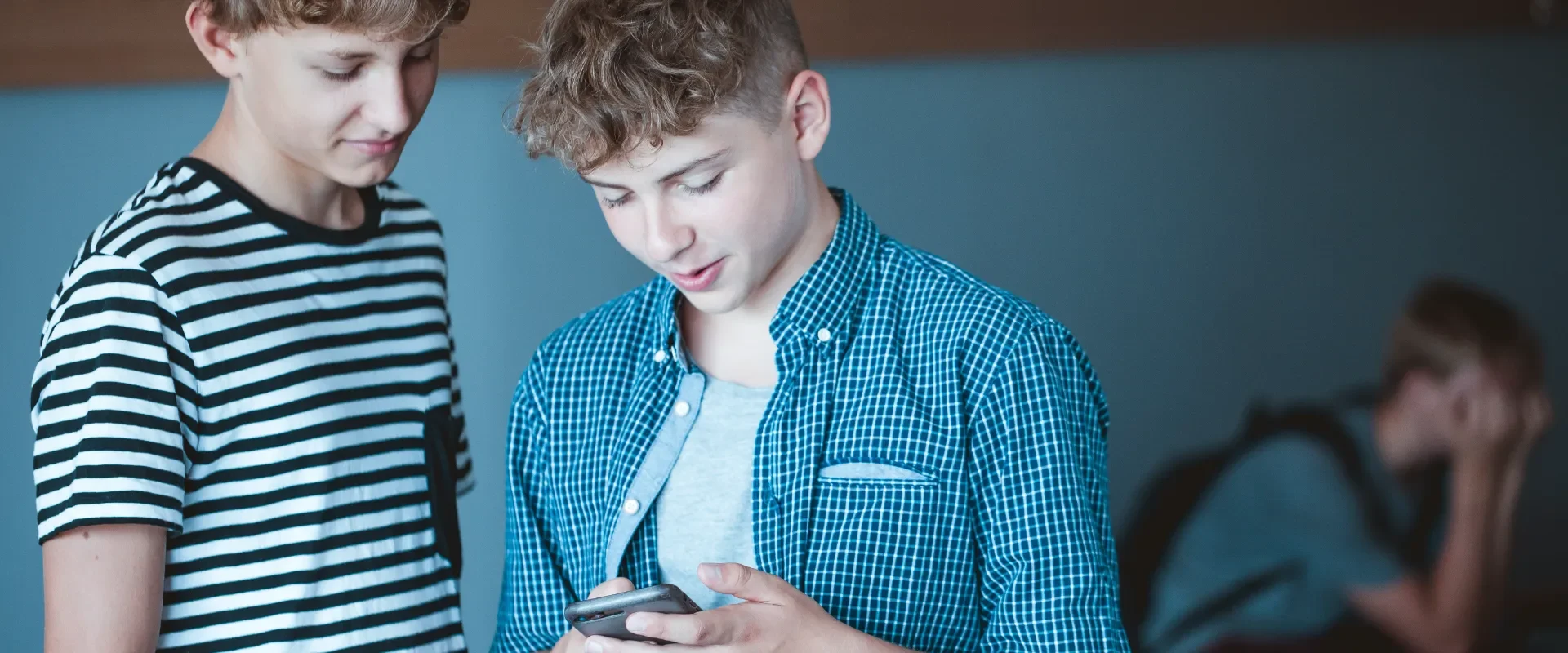
In recent years, we’ve seen an alarming rise in reports of misogynistic attitudes among boys and teenagers. From casual sexist comments in the playground to more serious patterns of aggression, it’s clear that something troubling is taking root early.
At Little Lives UK, we’re passionate about helping children grow into kind, respectful, emotionally intelligent people. And right now, one issue that needs our attention is the rise in misogynistic attitudes among some boys – often starting much earlier than many parents might expect.
What’s Going On?
Netflix’s powerful documentary series Adolescence offers a real window into what many teenagers in the UK are experiencing today. It’s eye-opening, emotional, and at times hard to watch. In one episode, a group of boys casually discuss how they talk about girls at school, clearly echoing ideas they’ve picked up online – often without really understanding the harm behind them. The Ofsted (2021) review of sexual harassment in schools found that 92% of girls and 74% of boys said that sexist name-calling happened frequently to them or their peers – behaviour that is often normalised and reinforced through exposure to harmful content and attitudes on social media.
It’s not always malicious. More often, it comes from confusion, peer pressure, or just not knowing any better. But that’s exactly why it’s so important to step in early — while attitudes are still forming and young minds are open.
The Digital Echo Chamber
Let’s be honest: growing up today is a world away from what many of us remember. Kids now have access to an endless stream of content – some of it inspiring and educational, and some of it not so much.
Online spaces are full of influencers who paint a warped picture of what it means to be a “man” – all muscles, money, and control. It’s no wonder some boys get swept up in it, especially if they don’t have other voices helping to balance the message. The NASUWT poll found that almost three in five teachers believe social media use has a negative impact on behaviour – this was conducted with 5,800 teachers, and really shows the consequences of social media, not only on children, but those around them can spot it too.

The Good News: Parents Can Make a Huge Difference
The most powerful counter to harmful messages? A safe, supportive home where open conversations happen, and kindness is the norm.
Here are some simple, down-to-earth ways you can help your child navigate this tricky terrain:
- Start the Conversation Early
Teach your child the value of respect, consent, and empathy from a young age. Discuss what healthy relationships look like, and challenge stereotypes when you see them – even in cartoons or advertising. - Model Respect at Home
Children absorb more from what we do than what we say. Show respect in your relationships, whether romantic or platonic. Speak kindly about others, especially in front of your child. They’re listening. - Monitor Online Influence
Stay engaged with your child’s digital life. Know which influencers they follow, what games they play, and how they interact online. Encourage critical thinking about what they’re seeing. Ask: “Do you think that’s true?” or “How would that make someone feel?” - Don’t Dismiss “Small” Things
Sexist jokes, teasing, or name-calling should never be brushed off as “boys being boys.” These moments are opportunities to set clear boundaries and discuss why certain behaviours aren’t acceptable. - Encourage Emotional Expression
Give your child the tools to talk about their feelings. Encourage them to cry, express anger without violence, and be vulnerable. This reduces the need to channel emotions through control or aggression. - Get Support if You Need It
If you notice troubling behaviour, don’t hesitate to reach out for help. There are fantastic local organisations and child therapists who specialise in working with young people. Little Lives UK can also help connect families to youth support resources.
Let’s Raise Boys Who Lift Others Up
Challenging misogyny in young boys doesn’t have to be a battle – it can be a journey full of growth, laughter, and learning. Most boys want to do the right thing; they just need a little help understanding what that looks like in today’s world.
By keeping things open, honest, and kind, we can help our boys grow into the kind of young men we can all be proud of – the ones who speak up, stand tall, and treat everyone with respect.
References:
https://www.netflix.com/title/81756069
https://www.birmingham.ac.uk/university/colleges/socsci/policy-briefs/working-with-boys-and-young-men-to-reduce-sexual-and-gender-based-violence-misogyny-and-harmful-sexual-behaviours
https://www.bbc.co.uk/news/articles/crm3x92mpdxo