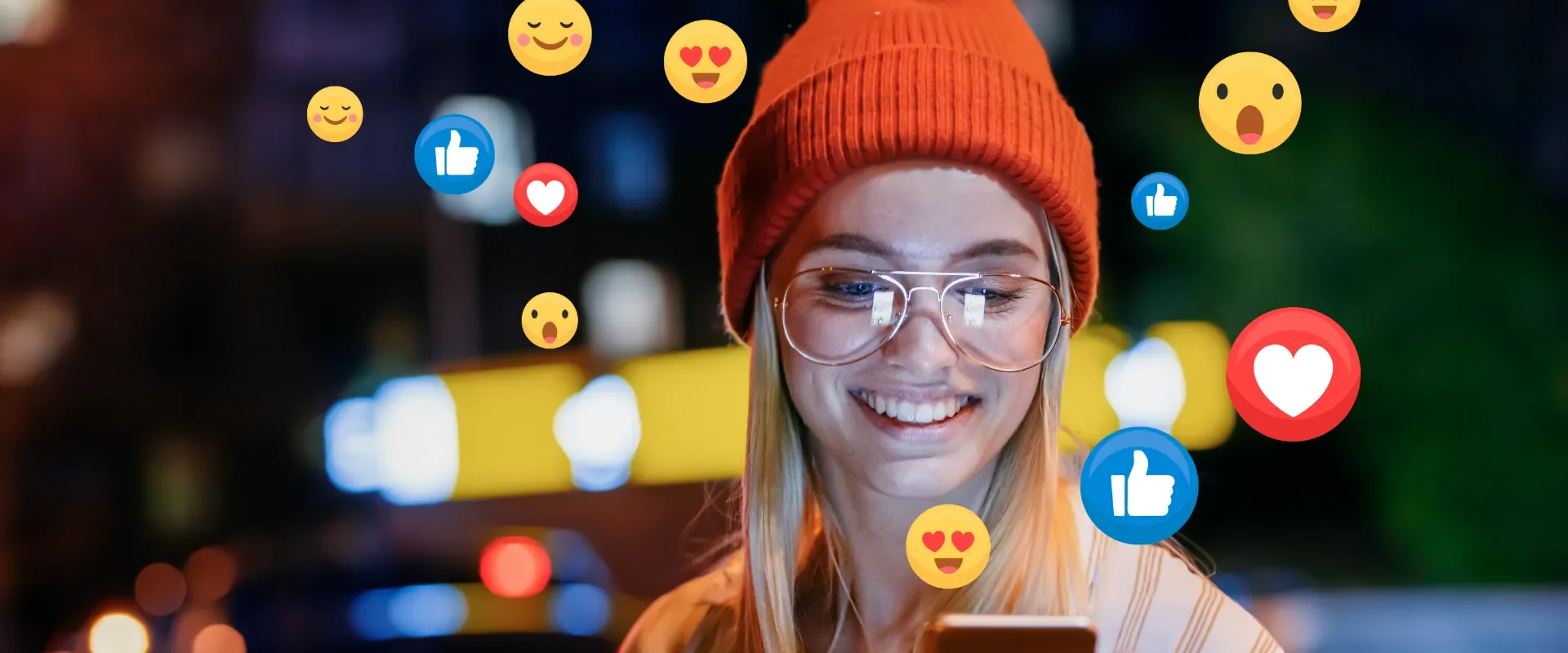
We live in a world where social media is everywhere. Whether it’s TikTok, Instagram, Snapchat or YouTube, it can sometimes feel like everyone you’re watching online has the perfect life. Perfect skin, perfect relationships, perfect bodies, perfect grades, perfect holidays. But the truth is, social media is often a highlight reel, not real life.
It’s easy to forget that what we see online is usually carefully chosen, edited and filtered. Most people only post the best moments of their day, not the difficult, boring or messy parts. Social media can make it seem like everyone else has their life together while you’re struggling. But the reality is that everyone has insecurities, bad days and challenges, even if they don’t show them online.
Social Media and Mental Health
Social media can affect people differently. For some, it can help them feel connected, inspired and supported. For others, spending too much time can contribute to stress, anxiety, low mood or unhealthy comparison. Research from Young Minds suggests that social media can sometimes increase feelings of pressure amongst young people, particularly around appearance, achievement and popularity. Similarly, studies have found links between excessive social media use and poorer mental wellbeing in adolescents. This is why balance is important. Spending time offline, speaking to people in real life and focusing on hobbies, rest and self-care can help protect mental wellbeing.
Filters, Editing and Unrealistic Standards
A lot of the content online is heavily edited without people even realising it. Filters can smooth skin, change facial features and even alter body shape. Some influencers also use professional lighting, editing apps or specific camera angles to create an unrealistic image. This can lead young people to compare themselves to standards that aren’t even real. Research has shown that social media can negatively affect self-esteem and body image, especially in teenagers and young adults. The problem is that when we see ‘perfect’ images, our brains can start to believe that this is what ‘normal’ looks like. But real life doesn’t look filtered 24/7- and it isn’t supposed to.
Comparing Yourself to Others
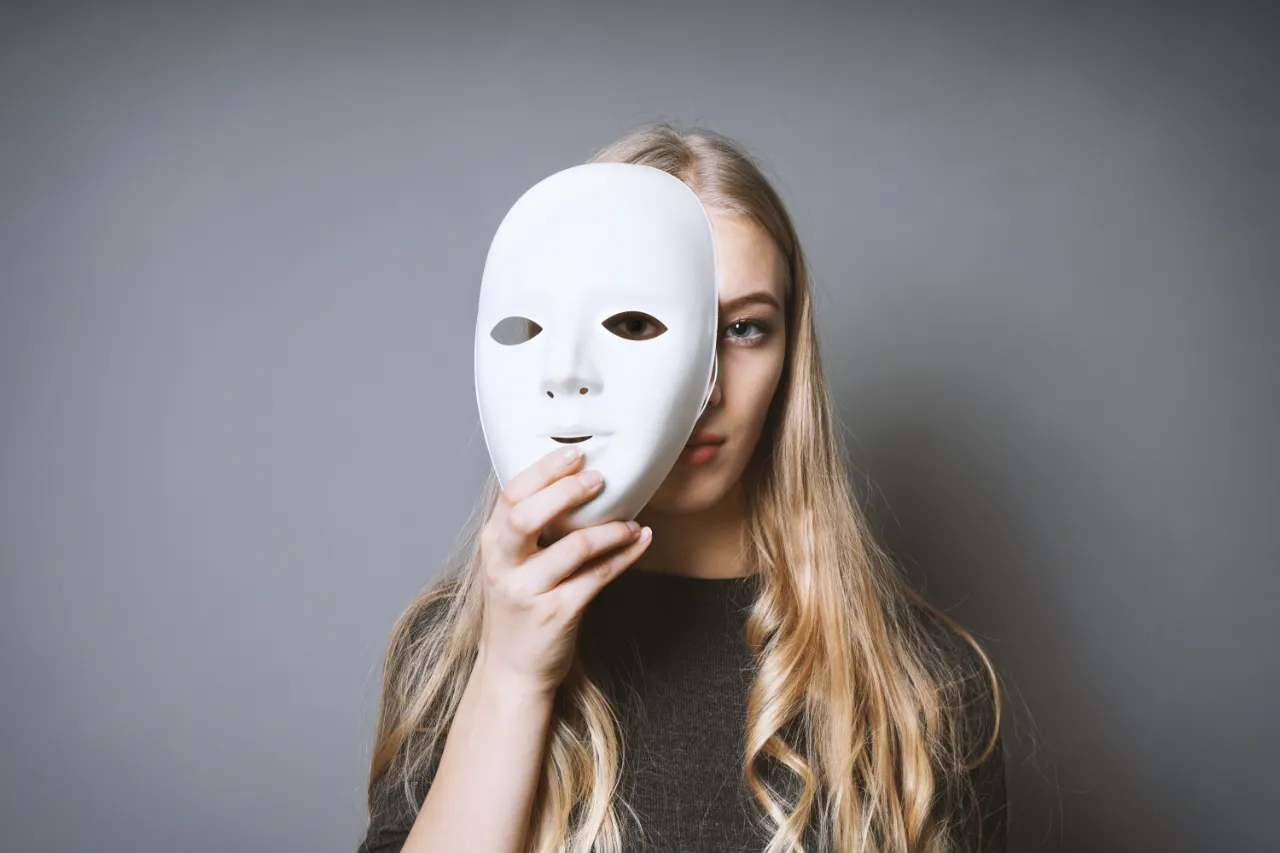
Comparison is one of the biggest pressures social media creates. You might compare your appearance, friendships, achievements or lifestyle to people online. But comparing your real life to someone else’s edited content is never fair. For example, someone might post photos from an amazing holiday but not show the stress or personal struggles happening behind the scenes. Another person may seem confident and happy online while privately struggling with anxiety or loneliness. Just because someone looks happy online does not mean their life is perfect. Psychologist Leon Festinger’s Social Comparison Theory explains that people naturally compare themselves to others to evaluate their own lives and self-worth. Social media increases this because we are constantly exposed to other people’s carefully curated lives.
Viral Trends and Pressure to ‘Keep Up’
Social media trends can also create pressure to look, act or live a certain way. Whether it’s beauty trends, gym culture, ‘that girl’ routines or luxury lifestyles, it can sometimes feel like you’re falling behind if your life doesn’t match what you see online. But trends are often designed to keep people watching and engaging. Many influencers also earn money through sponsorships, brand deals and advertising- so these trending products could all just be a part of their job, not a product they actually like, and you therefore need. Real life is not supposed to look like a constant aesthetic montage.
Remember: Real Life Happens Offline Too
Some of the best moments in life never get posted online. Laughing with friends, spending time with family, achieving something personal or enjoying a quiet moment- those things matter too, even if nobody else sees them. Remember, it’s okay if your room isn’t always spotless. It’s okay if you don’t wake up looking perfect. It’s okay if your life doesn’t look like a TikTok video. You are not failing because your real life looks different from someone else’s social media feed.
Protecting Your Mental Wellbeing Online
Here are a few reminders that can help when social media starts to feel overwhelming:
- Take breaks from scrolling when needed
- Remember that filters and editing exist
- Follow creators who are honest and realistic
- Spend time offline doing things you enjoy
- Talk to someone if social media is affecting your mental health
Social media can be fun, creative and inspiring, but it should never define your worth.
At the end of the day, you do not need to look perfect, live perfectly or have everything figured out to be valuable. Real life is also messy, emotional and imperfect- and that’s completely normal.
References
Festinger, L. (1954) A Theory of Social Comparison Processes. Human Relations, 7(2), pp.117–140.
Keles, B., McCrae, N. and Grealish, A. (2020) ‘A systematic review: the influence of social media on depression, anxiety and psychological distress in adolescents’, International Journal of Adolescence and Youth, 25(1), pp.79–93.
NHS Digital (2023) Mental Health of Children and Young People in England. Available at: NHS Digital
Perloff, R.M. (2014) ‘Social Media Effects on Young Women’s Body Image Concerns: Theoretical Perspectives and an Agenda for Research’, Sex Roles, 71, pp.363–377.
YoungMinds (2025) Social media and mental health. Available at: YoungMinds (Accessed: 12 May 2026).